
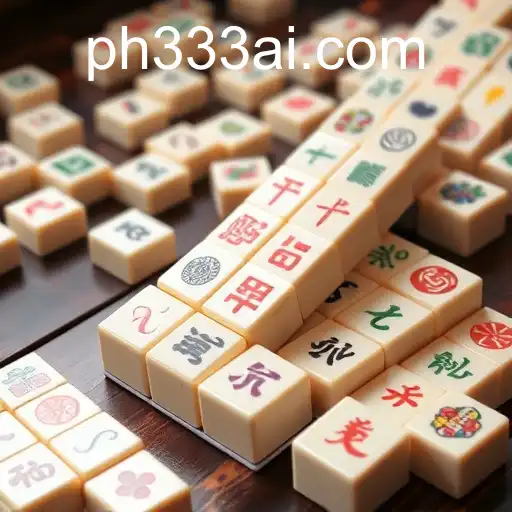
PH333 | The Intriguing World of Mahjong: A CULTURAL and Strategic Exploration
PH333’s Explore the rich history, cultural significance, and strategic elements of Mahjong, a game that has captivated enthusiasts worldwide.
Exploring the Fascinating World of Mahjong
Mahjong is more than just a game; it is a cultural phenomenon that has captivated individuals for centuries. Originating in China, this strategic and engaging game of skill has transcended borders and found fans worldwide. While its traditional roots remain grounded in the East, its cultural significance and popularity have grown into a global sensation. With the keyword PH333 in focus, this article delves into the intricacies, strategy, and cultural importance of Mahjong, providing a detailed account of its enduring legacy.
Historical Origins of Mahjong
The history of Mahjong is rich with tradition and steeped in mystery. Although the precise origins of Mahjong remain a topic of debate among historians, it is widely believed to have been developed in China during the Qing dynasty. Some attribute its creation to Confucius, while others argue that it may have evolved from earlier card games played in China. Regardless of its origins, by the early 20th century, Mahjong had become a household name in China.
As the game gained popularity, it spread beyond the borders of China to other parts of Asia, including Japan and South Korea, where local adaptations emerged. Each region developed its unique style of play, adding distinct cultural elements and rules. By the 1920s, Mahjong had reached Western shores, becoming a social pastime in the United States and Europe. The game's adaptability and resilience in different cultures underscore its universal appeal.
Understanding the Basics of Mahjong
Mahjong is a game of skill, calculation, and strategy played with a set of 144 tiles based on Chinese characters and symbols. The object of the game is to form a legal hand using the 14 tiles in play. A typical game is played among four players, each taking turns to draw and discard tiles with the aim of completing a winning hand.
Tiles in a Mahjong set are divided into several suits: Bamboos, Characters, and Dots, along with Honor tiles comprising Winds and Dragons. The diversity of tiles and their significance in creating winning combinations adds to the complexity of the game. Each round follows a specific sequence; players strive to complete sets and pairs known as "Pungs," "Chows," and a pair. Strategic tile selection, combined with astute observation of opponents' moves, marks the difference between success and failure.
The Strategic Depth of Mahjong
While the rules of Mahjong are easy to understand, the game itself requires strategic foresight and a keen analytical mind. Winning requires more than just luck; mastery of Mahjong involves the ability to anticipate opponents' moves, a deep understanding of tile combinations, and careful risk management.
Players must continuously assess their hands, taking calculated risks when necessary and adjusting strategies based on the tiles they draw and discard. The strategic depth of Mahjong makes every game different, with endless possibilities and outcomes to explore. The thrill of making the right move at a critical moment is what keeps players engaged and coming back for more, creating patterns and strategies that can be passed down through generations.
Mahjong in Modern Culture
In modern times, Mahjong has gained not only widespread popularity but also a presence in various aspects of contemporary culture. In many Asian societies, playing Mahjong is more than a pastime; it is a way to connect with family and friends, fostering relationships and strengthening community ties. Mahjong enthusiasts often gather for social events and friendly competitions, cementing the game's reputation as a beloved cultural tradition.
Furthermore, Mahjong has influenced media, fashion, and art, appearing in films, television shows, and even digital platforms. Its inclusion in popular culture highlights its lasting appeal and adaptability to new forms of entertainment, such as online gameplay. With countless Mahjong sets in varied designs available today, collectors and hobbyists find joy in acquiring unique sets, reflecting personality and style.
The Global Phenomenon of Mahjong
As Mahjong continues to gain traction worldwide, international competitions have emerged, uniting enthusiasts from all over the globe. These tournaments celebrate not only the game itself but also the cultural diversity and shared passion among players. Global interest in Mahjong is sustained by online platforms, connecting aficionados in virtual spaces where they can enjoy the game despite geographical distances.
Incorporating the keyword PH333, Mahjong has solidified its status as a symbol of cross-cultural exchange and global integration. As players navigate through the myriad challenges and opportunities that Mahjong presents, they become part of a larger community synonymous with fellowship and strategic prowess.
